
Solar panels, high-capacity inverters, mounting structures, and thick copper cabling are high-value assets. If your operations team is manually tracking stock levels, you will face either overstocking that ties up cash flow or material shortages that leave installation crews sitting idle in the field.
A robust Bill of Materials (BOM) control system prevents these issues by linking design dimensions to inventory levels. When a system layout is finalized, Solset AI automatically reserves the exact quantity of modules and racking structures required, preventing them from being double-allocated to other active projects.
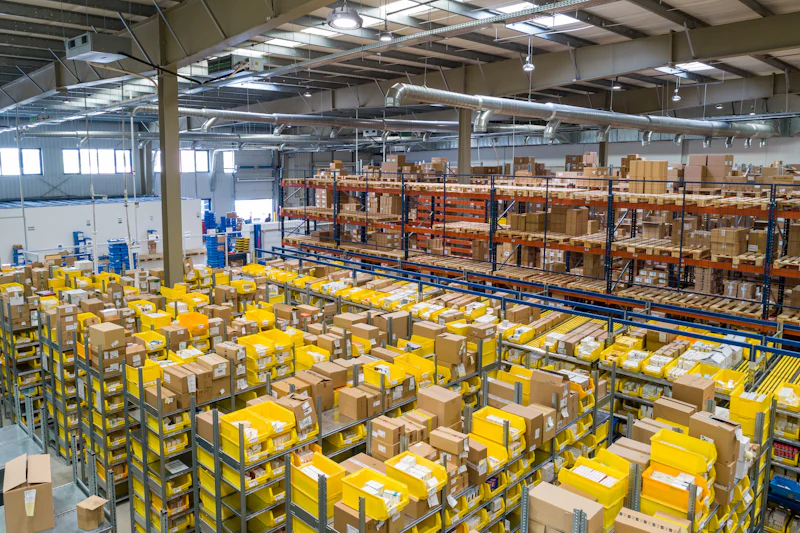
Establishing Goods Received Notes (GRN) controls
When supplies arrive from vendors, they must be checked immediately against your original Purchase Order (PO). Use a structured Goods Received Note (GRN) to document details and record the module and inverter batches before unloading. This holds suppliers accountable for transit damages and registers hardware warranties from day one.
- Record module and inverter details against the project record for warranty claims.
- Track material transport to job sites via digital transfer logs.
- Conduct monthly physical audits of stock to reconcile database records.
- Flag variances between design BOM requirements and actual stock consumption to catch material leakage.
Real-Time Project Profitability
By linking purchase orders, vendor invoices, and labor expenses directly to the project dashboard, Solset AI's finance module calculates the actual profitability of each installation in real time. Managers can easily compare budgeted costs against actual spend, protecting solar EPC margins.
See Solset AI for your solar business
Create a free workspace, add one real enquiry and take it to a quotation. No card.
Start free